

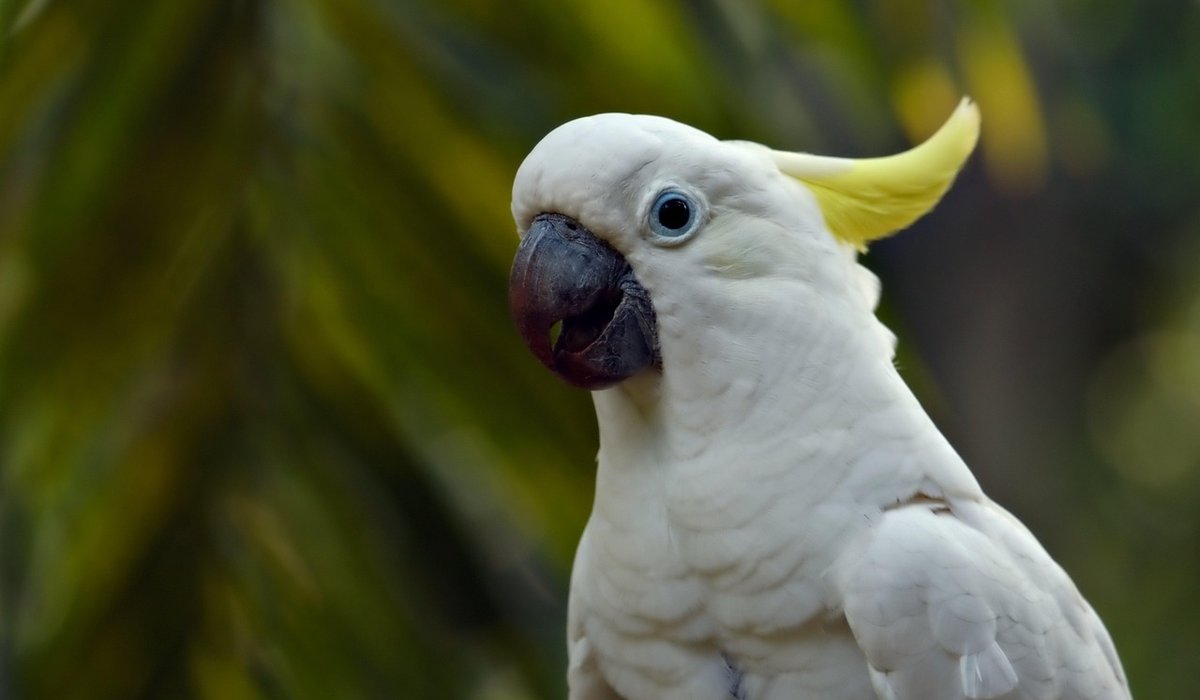
Parrots are prey animals, and their survival instinct is to look fit and strong even when something is wrong. In the wild, a bird that fluffs up, closes its eyes or sits on the floor quickly attracts predators. That instinct does not disappear in a living room in the UK. By the time a parrot looks obviously ill, it may have been struggling for days or weeks. This is why daily observation matters so much. You are not being paranoid by checking droppings, weight and posture every day; you are being a responsible keeper.
A bird that keeps its feathers fluffed for long periods — especially when it is not asleep or cold — is often trying to conserve heat. Drooping wings, a hunched stance and a head tucked into the shoulder are all warning signs. So is a tail that bobs up and down with each breath, which can point to respiratory trouble. Look at the eyes too: they should be bright, clear and fully open. Cloudy, half-closed or sunken eyes need urgent attention.
Some of these signs can also follow a moult or a chill, but if they last more than a day, treat them as a red flag.
You cannot reliably tell a parrot's weight by looking at it, because feathers hide a lot. Buy a digital kitchen scale that weighs in grams, and weigh your bird at the same time each week — ideally in the morning before breakfast. A loss of five to ten per cent of body weight is significant. Feel the keel bone on the chest: it should be lightly covered by muscle, not sharp and prominent. A parrot that feels lighter than last week, even if it is still eating, needs a vet check.
Droppings change with diet, so learn what is normal for your bird. A typical dropping has three parts: a solid faecal portion, white urates and clear urine. Colour can vary with fruit and vegetables. Red flags include bright red blood, black tarry stools, undigested seeds, a watery mess with no solid part, or urates that turn lime green or yellow. A sudden increase in urine with no faecal matter can signal a kidney or liver problem. Take a photo of anything unusual, and place a fresh sample in a sealed bag for the vet.
A parrot that has difficulty perching — slipping, sitting on the cage floor or favouring one foot — is not just tired. It may be weak, in pain or suffering from a neurological problem. Other behavioural changes matter too: a sudden loss of appetite, refusing favourite foods, silence from a normally noisy bird, or unusual aggression. Breathing should be silent and effortless. Open-beak breathing, clicking, wheezing or sneezing with discharge are all signs that need same-day attention. Watch for tail bobbing while resting, which is a classic sign of breathing difficulty.
The single most important piece of advice is this: do not wait to see if your parrot gets better on its own. Birds can decline very quickly, and a problem that is treatable on Monday may be critical by Wednesday. Contact an avian vet as soon as you notice one or more of the signs above. While you wait for your appointment, keep your bird warm — around 28 to 30°C for many species — in a quiet, dimly lit cage, and make sure water is easy to reach. Do not give human medicines or leftover antibiotics. Take your weight records, a fresh dropping sample and a note of when the symptoms started. If you are unsure whether something is serious, phone the vet anyway. A quick conversation costs little; a delay can cost your parrot's life.

Madparrots We spend our time finding what works so you don't have to, and sharing exactly what made the difference.

Madparrots Simple, genuine and looked after with care — the kind of place worth returning to.

Leave the carrier open with treats inside for several days. Short journeys build confidence before longer trips to the vet or holiday boarding.

Comments
ALina Kelian
19th May 2018 ReplyMadparrots We spend our time finding what works so you don't have to, and sharing exactly what made the difference. ullamco laboris nisi ut aliquip ex ea commodo consequat.
Rlex Kelian
19th May 2018 ReplyMadparrots Written for people who value the details, and want honest guidance they can trust. ullamco laboris nisi ut aliquip commodo.
Roboto Alex
21th May 2018 ReplyMadparrots We spend our time finding what works so you don't have to, and sharing exactly what made the difference. ullamco laboris nisi ut aliquip ex ea commodo consequat.