

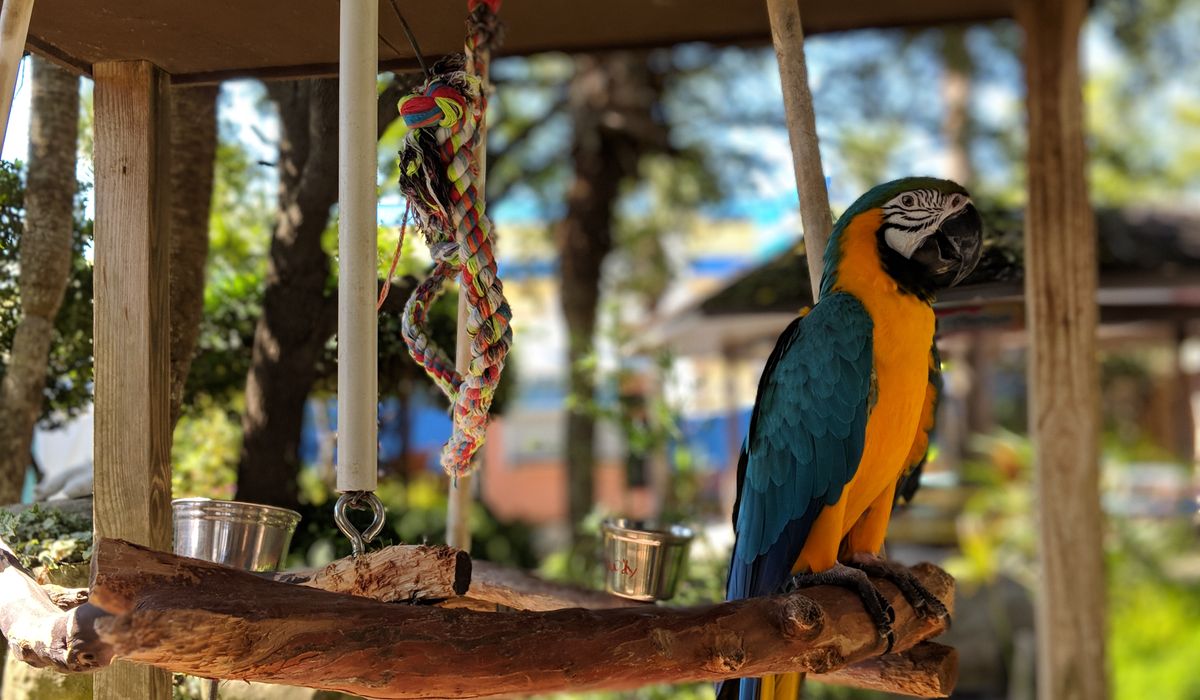
Parrots are masters of disguise. In the wild, a bird that looks unwell is a target, so by the time yours is visibly wheezing, tail bobbing or producing nasal discharge, the problem is usually well established. Respiratory disease is one of the most common reasons companion parrots are presented to avian vets — and one of the most heartbreaking, because many cases are preventable. The good news is that early recognition and prompt action save lives.
Know what a healthy parrot looks like at rest. Breathing should be silent, effortless and barely visible. A healthy bird’s tail remains still, the beak stays closed, and the nostrils — the nares — are clean and dry. Any deviation from that deserves attention.
One sneeze after a dusty bath is nothing. Repeated sneezing, head shaking, or discharge that persists for more than a few hours is not normal. Do not wait to see if it settles — phone your avian vet.
Avian respiratory anatomy is extraordinary and, unfortunately, fragile. Birds have rigid lungs, a network of air sacs and hollow bones. Air flows through the body in a one-way loop, which is brilliant for flight but means that inhaled toxins and pathogens reach deep tissues quickly. Parrots also lack a diaphragm, so they cannot cough effectively. There is no way for them to clear irritants the way a mammal can. Add a high metabolic rate and a small body size, and a minor irritation can become a life-threatening infection within days.
Respiratory signs are rarely a single diagnosis. Your vet will investigate several possibilities, often at the same time.
Never use leftover antibiotics or human medications. Dosing a bird incorrectly can be fatal, and the wrong drug may mask symptoms while the disease progresses.
Your parrot’s lungs are exposed to everything in your home. Air fresheners, scented candles, aerosol sprays, cigarette smoke, vaping clouds, non-stick cookware fumes and even strong cleaning products can cause acute respiratory distress. Polytetrafluoroethylene (PTFE) fumes from overheated non-stick pans are lethal to birds at concentrations humans cannot smell. Kitchen cooking is a common trigger — move your bird well away from the kitchen and never cook with a parrot in the room.
Bedding and substrate matter too. Dusty wood shavings, sawdust, mouldy seed and unwashed cage liners release spores and particulates. Choose dust-extracted paper pellet bedding, change it daily, and keep food and water bowls free of damp, spoiled residue. Good ventilation is essential, but avoid draughts directly on the cage. A relative humidity of 40–60% helps keep airways moist and functioning. If your home is very dry in winter, a cool-mist humidifier — cleaned regularly — can help.
If you see tail bobbing, open-mouth breathing or nasal discharge, treat it as an emergency. Phone your avian vet and explain the symptoms. Keep your bird warm, calm and away from other pets. Do not handle it more than necessary. Transport it in a secure carrier lined with soft, clean paper, and bring a fresh droppings sample if you can.
Prevention is mostly about consistency. Clean cages daily, replace bedding, wash bowls with bird-safe disinfectant, and avoid all airborne irritants. Feed a balanced diet rich in vitamin A — dark leafy greens, carrot, sweet potato and quality pellets — because deficiency weakens respiratory linings. Book a wellness check with an avian vet at least once a year, more often for older birds. Weigh your parrot weekly; a slow loss of grams is often the first clue. Finally, learn your bird’s normal breathing rate and posture. The earlier you notice a change, the better the outcome.

Madparrots We spend our time finding what works so you don't have to, and sharing exactly what made the difference.

Madparrots Simple, genuine and looked after with care — the kind of place worth returning to.

Use a favourite treat and gentle pressure on the lower belly. Keep sessions short, end positively and never grab or chase your bird.

Comments
ALina Kelian
19th May 2018 ReplyMadparrots We spend our time finding what works so you don't have to, and sharing exactly what made the difference. ullamco laboris nisi ut aliquip ex ea commodo consequat.
Rlex Kelian
19th May 2018 ReplyMadparrots Written for people who value the details, and want honest guidance they can trust. ullamco laboris nisi ut aliquip commodo.
Roboto Alex
21th May 2018 ReplyMadparrots We spend our time finding what works so you don't have to, and sharing exactly what made the difference. ullamco laboris nisi ut aliquip ex ea commodo consequat.