

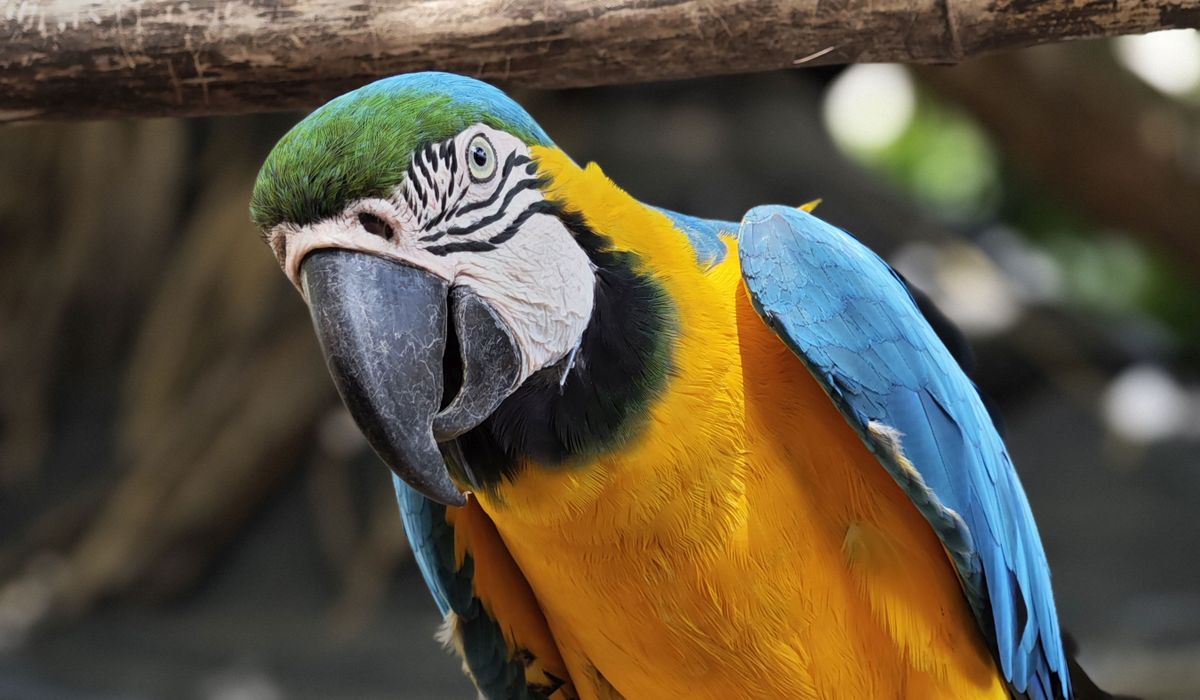
Small parrots have fast metabolisms and small stomachs, which means every mouthful matters. A budgie weighing 40 grams cannot afford to fill up on empty calories, and a cockatiel will happily eat a bowl of sunflower seed until it is overweight and short on vitamins. Getting the balance right is one of the most valuable things you can do for a companion bird, and it is far simpler than the shelves of colourful packaging might suggest.
Aim for a daily bowl that looks roughly like this: about half pellets, a third fresh vegetables and greens, and the remainder split between a little seed, a little fruit and the occasional treat. Exact proportions vary with species, age and activity, but this framework keeps most small parrots in good condition. Fresh, clean water sits alongside it at all times.
Good-quality pellets are formulated to cover the vitamins, minerals and amino acids a parrot needs, which is why they form the base rather than a garnish. A budgie will typically eat around a rounded teaspoon to a tablespoon of food a day, and a cockatiel roughly double that — so pellets need to be fresh, dry and replaced daily rather than topped up on top of yesterday's leftovers.
Choose a pellet size suited to your bird. Budgies and parrotlets manage small, fine pellets better; cockatiels and small conures prefer something a little chunkier. If your bird came to you on an all-seed diet, do not remove the seed overnight. Transition slowly over several weeks:
Fresh vegetables add fibre, moisture and variety, and they give your parrot something to shred, which is half the pleasure. Wash everything thoroughly and serve it at room temperature, never straight from the fridge. A good daily mix might include two or three of the following:
Spinach is fine occasionally, but it binds calcium, so do not make it the main green. Iceberg lettuce offers almost nothing nutritionally. Hang leafy greens from a clip near a perch — food that dangles gets investigated far more enthusiastically than food that sits in a dish. Remove anything fresh after a few hours, especially in warm weather.
Fruit is sweet, and small parrots love it, but it should be a topping rather than a meal. A couple of small pieces a few times a week is plenty. Apple and pear are excellent, though always remove the seeds and core, as the seeds contain compounds that are harmful. Berries, melon, mango, papaya and a sliver of banana all go down well.
Seed, millet spray and nut pieces work best as training rewards rather than bowl fillers. Keep a cuttlebone or mineral block in the cage for calcium, particularly for hens, who use a great deal of it. If a bird is moulting, breeding or unwell, ask an avian vet about adjusting the diet rather than guessing.
Fresh water is the easiest thing to get right and the easiest to neglect. Change it at least twice a day, and scrub the bowl or bottle with hot water and a bird-safe cleaner daily, because warm water quickly grows bacteria and biofilm. Water bottles stay cleaner but need checking that the spout actually works.
Be cautious with liquid vitamin supplements added to drinking water. The dose a bird receives is unpredictable, and the added sugars encourage bacterial growth. Most reputable pellets already contain what your bird needs. A predictable routine — fresh food in the morning, fresh water morning and evening, wet food removed by early afternoon — keeps both bird and owner on track.
Some foods are genuinely dangerous, and even a small amount can cause serious harm. Keep this list firmly in mind, and warn everyone in the household, including children and visitors.
If you suspect your bird has eaten something on this list, contact an avian vet immediately — do not wait for symptoms to appear. With a thoughtful bowl, fresh greens and clean water, most small parrots thrive for many years, and the routine soon becomes second nature.

Madparrots We spend our time finding what works so you don't have to, and sharing exactly what made the difference.

Madparrots Simple, genuine and looked after with care — the kind of place worth returning to.

Wheezing, tail bobbing and nasal discharge need urgent veterinary attention. Poor air quality and dusty bedding can worsen sensitive avian lungs.

Comments
ALina Kelian
19th May 2018 ReplyMadparrots We spend our time finding what works so you don't have to, and sharing exactly what made the difference. ullamco laboris nisi ut aliquip ex ea commodo consequat.
Rlex Kelian
19th May 2018 ReplyMadparrots Written for people who value the details, and want honest guidance they can trust. ullamco laboris nisi ut aliquip commodo.
Roboto Alex
21th May 2018 ReplyMadparrots We spend our time finding what works so you don't have to, and sharing exactly what made the difference. ullamco laboris nisi ut aliquip ex ea commodo consequat.