

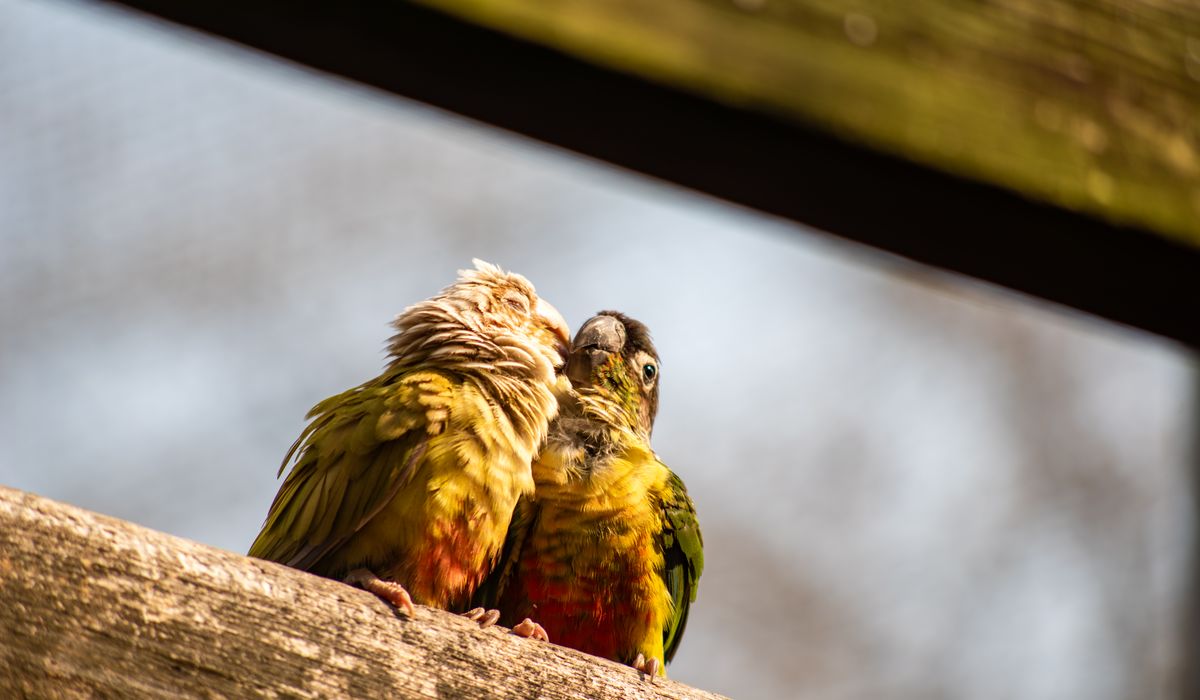
Teaching a parrot to step up is one of the kindest skills you can offer. It opens the door to vet visits, safe journeys between rooms, and a deeper bond built on trust rather than force. Yet many owners turn this simple cue into a wrestling match. The good news is that step up training can be calm, quick, and even enjoyable for both of you.
A reliable step up cue means your bird can be moved without a towel, a net, or a chase. It is not about dominance. It is a request, and your parrot is free to say no. When taught gently, step up becomes a conversation. Your bird learns that your hand predicts something good, not something scary. That trust pays off every time you need to check a foot, trim a nail, or move your bird away from danger.
Choose a treat your bird genuinely loves. For budgies, a spray of millet is perfect. Cockatiels often adore a tiny piece of sunflower seed. African greys and amazons may prefer a sliver of almond or a small piece of walnut. Keep treats small so you can repeat the exercise without filling your bird up.
Find a quiet room with no other pets, no loud televisions, and no sudden movements. Train when your parrot is alert but not frantic. Two to five minutes is plenty. Wash your hands first, and avoid strong perfumes or hand creams. If your bird is nervous, have a hand-held perch nearby. You can teach step up onto a perch first, then transfer the cue to your hand later.
Hold your hand flat with fingers together. For a budgie or lovebird, use one finger. For a cockatiel or conure, use two fingers. For a larger parrot, use your forearm. Present your hand horizontally at the lower belly, just above the feet.
Gently press inward and slightly upward. Not a jab. Not a poke. Just a soft, steady pressure. Say "step up" in a calm, friendly voice. Most birds will lift one foot within a few seconds. As they do, move your hand slightly towards them to help them balance. The moment they step on, reward with a treat and quiet praise.
If your bird does not step after five to ten seconds, do not push harder. Slowly withdraw your hand, wait a moment, and try again later. Forcing the issue teaches your parrot that hands are unpredictable. Patience teaches the opposite.
Your parrot will tell you how they feel long before they bite. A relaxed bird has smooth feathers, soft eyes, and may lift one foot in anticipation. A stressed bird may slick its feathers tight against its body, pin its pupils, flare its tail, open its beak, hiss, lunge, or back away. If you see any of these signs, stop immediately. Give your bird space. Try again another day, perhaps with a smaller request such as offering a treat through the cage bars.
Watch your own body too. Do not loom over your bird. Keep your shoulders relaxed and your breathing slow. Parrots are experts at reading tension. If you are anxious, your bird will be too.
Short, frequent sessions beat long, exhausting ones. Three or four repetitions in a two-minute window is ideal. End every session after a success, even a tiny one. If your bird simply tolerates your hand near them without moving away, that counts. Give a treat, say "good bird", and walk away.
Never end with a struggle. If your parrot is losing interest or getting fidgety, stop before that happens. Put them back on their cage or perch with a calm word. Over weeks, you will build a habit of cooperation rather than resistance.
Finally, be consistent. Everyone in the household should use the same cue and the same gentle pressure. With short, positive sessions and a favourite treat, most parrots learn to step up without stress. You are not just teaching a behaviour. You are building a friendship based on choice.

Madparrots We spend our time finding what works so you don't have to, and sharing exactly what made the difference.

Madparrots Simple, genuine and looked after with care — the kind of place worth returning to.

Remove toxic plants, cover wires and secure curtains. Rotate chewable toys and perches to keep exploration interesting without risking injury.

Comments
ALina Kelian
19th May 2018 ReplyMadparrots We spend our time finding what works so you don't have to, and sharing exactly what made the difference. ullamco laboris nisi ut aliquip ex ea commodo consequat.
Rlex Kelian
19th May 2018 ReplyMadparrots Written for people who value the details, and want honest guidance they can trust. ullamco laboris nisi ut aliquip commodo.
Roboto Alex
21th May 2018 ReplyMadparrots We spend our time finding what works so you don't have to, and sharing exactly what made the difference. ullamco laboris nisi ut aliquip ex ea commodo consequat.