

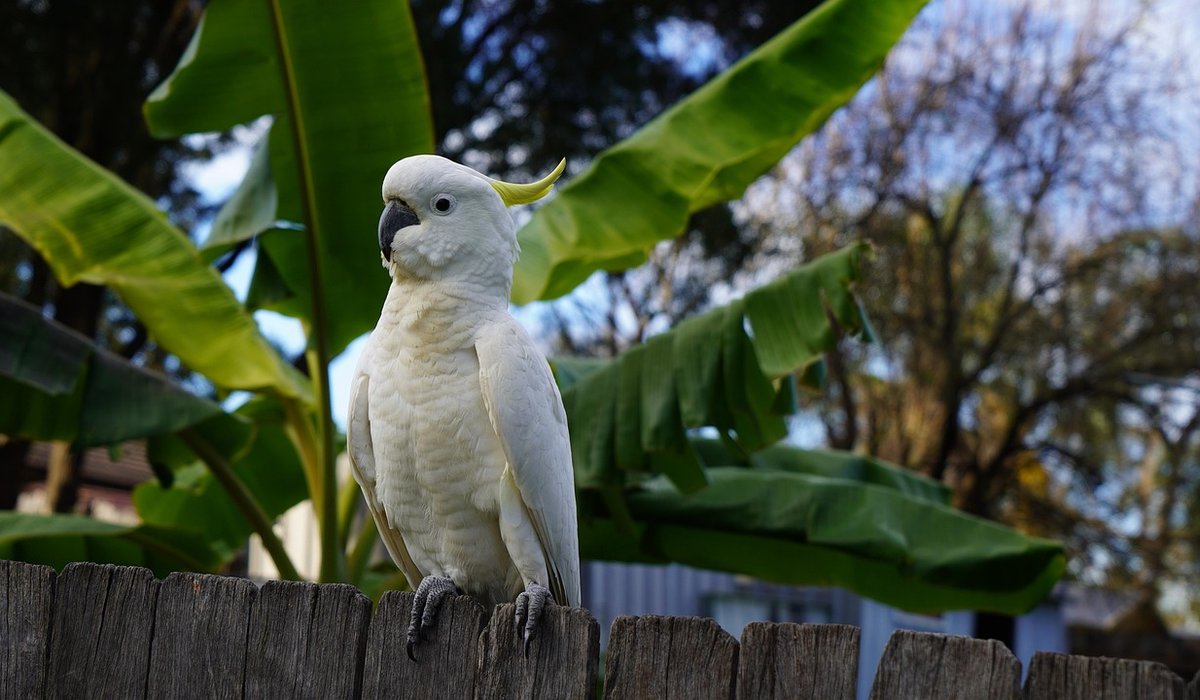
In the wild, parrots spend hours each day searching, tearing and cracking their way to a meal. A bowl of pellets and seeds takes minutes to eat. That leaves a huge gap in a companion parrot's day, and boredom quickly fills it. Feather plucking, screaming, pacing and destructive chewing are often signs that a bird has too little to do. Foraging opportunities are not a treat or a clever trick. They are a daily need that mimics wild feeding and gives your parrot a meaningful job. Working for food also encourages movement, beak wear and problem-solving, which supports both physical and mental health.
Not all parrots forage alike. African greys and cockatiels often scratch on the ground. Macaws and cockatoos are powerful chewers that break into nuts and strip bark. Amazon parrots search through foliage, whilst budgies pick seeds from grasses. Watch your bird closely. Does it shred paper, dig in a corner or crack open shells? Use that instinct when you design activities. Start with easy challenges so your parrot learns the game. A bird that has only eaten from a bowl may not recognise a wrapped treat as food at first. Show it, partially open a parcel, and let it see the reward. Increase difficulty gradually. The aim is a confident forager, not a frustrated one.
Plain paper and plain cardboard are among the best foraging materials because they are safe and satisfying to shred.
Remove all tape, staples and plastic windows. Change the shape and location of parcels so your bird cannot simply memorise the routine.
Puzzle feeders add another layer of interest. You can buy bird-safe foraging wheels and drawer puzzles, but homemade versions work just as well. A small plastic tub with holes drilled in the lid lets your parrot extract pellets one by one. A clean, empty bottle with small holes can be filled with seeds and hung from the cage roof. For ground foragers, scatter food through a shallow tray of shredded paper or clean pebbles.
Rotate your puzzle feeders every few days. Novelty is a powerful motivator, and a feeder that was solved yesterday may be ignored today.
Foraging is only beneficial if it is safe. Avoid plastic bags, foil, string, rubber bands and any material that can be swallowed or become tangled around toes or necks. Never use cardboard with glossy ink, tape or staples. Check that wooden items are untreated and free from splinters. Supervise new foraging toys until you are confident they are safe.
Fresh food needs careful handling. Remove uneaten fruit, vegetables or moist food after two to three hours, especially in warm weather. Clean puzzle feeders regularly with hot, soapy water and rinse thoroughly. Mouldy food is a serious health risk. Foraging should not replace a balanced diet. Use a portion of your parrot's daily ration, not extra food, so you do not overfeed. If your bird is on a specific diet for health reasons, speak to your avian vet before making changes.
The best foraging plan is the one you can stick to every day. Start small. Replace one bowl meal with a foraging session. In the morning, hide your parrot's pellets and some vegetables in paper parcels and cardboard tubes. In the evening, offer a puzzle feeder with a few seeds or nuts. Aim for ten to fifteen minutes of active foraging at first, then build up as your bird becomes more skilled.
Use a simple rotation to keep things fresh. Monday: paper parcels. Tuesday: cardboard tubes. Wednesday: puzzle feeder. Thursday: scattered food in a tray. Friday: skewer. Saturday: box to destroy. Sunday: mix and match. Adjust based on your parrot's species, age and ability. Young birds and rescued birds may need extra help. Older birds may prefer easier challenges. Sit nearby and talk to your parrot whilst it works, and offer praise when it succeeds. A foraging parrot is a busy, curious and healthier companion. Once you see the difference, you will never go back to a plain bowl of food.

Madparrots We spend our time finding what works so you don't have to, and sharing exactly what made the difference.

Madparrots Simple, genuine and looked after with care — the kind of place worth returning to.

Fluffed feathers, weight loss, changed droppings and difficulty perching are red flags. Contact an avian vet promptly rather than waiting for recovery.

Comments
ALina Kelian
19th May 2018 ReplyMadparrots We spend our time finding what works so you don't have to, and sharing exactly what made the difference. ullamco laboris nisi ut aliquip ex ea commodo consequat.
Rlex Kelian
19th May 2018 ReplyMadparrots Written for people who value the details, and want honest guidance they can trust. ullamco laboris nisi ut aliquip commodo.
Roboto Alex
21th May 2018 ReplyMadparrots We spend our time finding what works so you don't have to, and sharing exactly what made the difference. ullamco laboris nisi ut aliquip ex ea commodo consequat.