

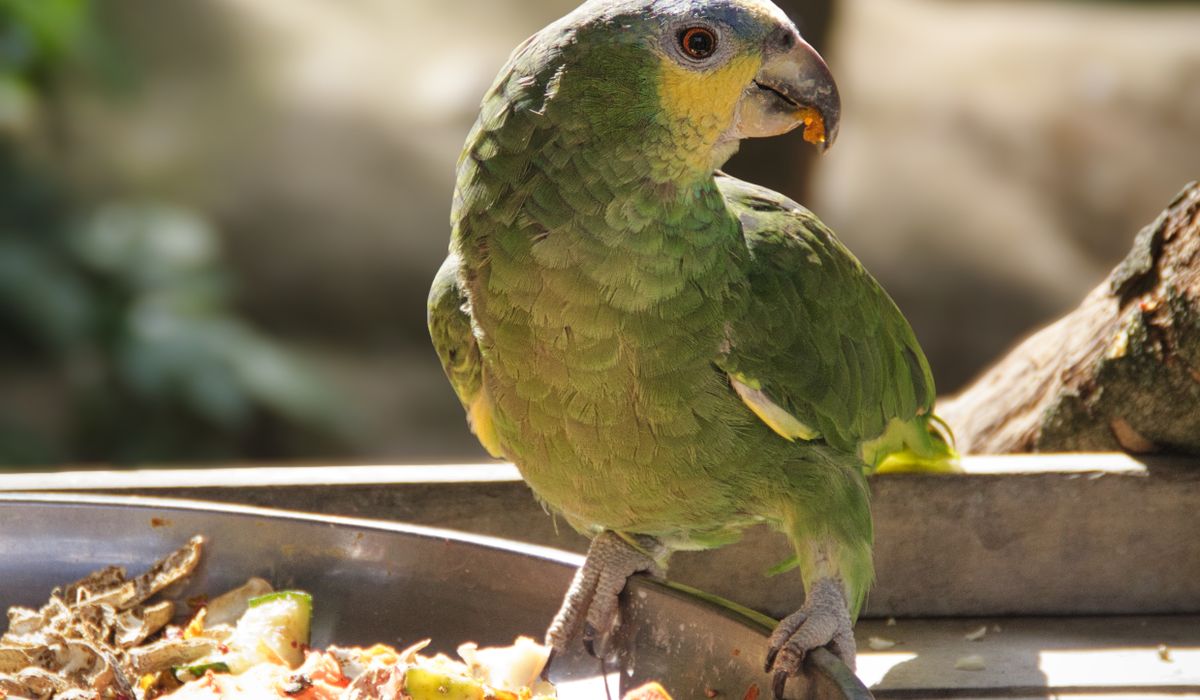
Parrots explore the world with their beaks. A trailing houseplant is, to an African grey or a budgie, a leafy invitation: something to shred, tug, climb and taste. That natural curiosity is one of the joys of living with a companion bird, but it also means every plant in your home is potentially part of your parrot's diet, whether you intended it that way or not.
The good news is that plenty of popular houseplants and garden flowers are considered non-toxic to birds, and a few of them make genuinely enriching additions to a bird-safe room. The catch is that "non-toxic" only holds if you know exactly what the plant is, how it has been grown, and what has been sprayed on it. Identification comes first; nibbling comes second.
The following are widely regarded as safe for parrots to nibble, though any new food should be introduced in small amounts while you watch for changes in droppings or behaviour.
Common names cause real trouble. "Fern" might mean Boston fern, or it might mean asparagus fern, which is not safe and produces tempting berries. "Ivy" covers both harmless Swedish ivy and toxic English ivy. A pot marigold and a French marigold are different plants entirely, and a mislabelled supermarket pot is easily the wrong one.
So label your plants. Keep the original nursery tag, note the botanical name, and photograph it. If you cannot identify a plant with confidence, it stays out of reach. This single habit prevents most plant-related emergencies.
A safe plant can still be an unsafe snack. Shop-bought plants are frequently treated with insecticides, and systemic products are absorbed into the leaves and stems – washing will not remove them. Many keepers wait several months before offering leaves from a newly purchased plant, and some simply grow their own from seed or cuttings instead. Indoor foliage is also often treated with leaf-shine products, which should be rinsed away thoroughly.
Compost matters too. Slow-release fertiliser prills, coloured granules and mouldy, damp soil are all hazards; mould spores in particular pose a respiratory risk to birds. Cover exposed compost with bird-safe pebbles or a fitted mesh, or place plants where beaks cannot reach the soil.
Some plants are dangerous enough that they should never be in a room where a parrot flies free, including avocado, all true lilies, lily of the valley, oleander, foxglove, yew, laburnum, privet, philodendron, devil's ivy, peace lily, dumb cane, rhododendron and azalea, daffodil and tulip bulbs, hyacinth, sago palm, and the foliage of tomato, potato and rhubarb.
If you suspect your bird has eaten something unsuitable, do not wait for symptoms. Contact your avian vet straight away, and take a photograph or sample of the plant with you. Quick action makes a genuine difference.
With a little labelling, a sensible growing routine and a watchful eye, plants and parrots can share a home comfortably – and your bird gets a living, shreddable jungle to enjoy.

Madparrots We spend our time finding what works so you don't have to, and sharing exactly what made the difference.

Madparrots Simple, genuine and looked after with care — the kind of place worth returning to.

Sit near the cage, speak softly and offer treats through the bars. Let the bird approach you rather than forcing interaction too soon.

Comments
ALina Kelian
19th May 2018 ReplyMadparrots We spend our time finding what works so you don't have to, and sharing exactly what made the difference. ullamco laboris nisi ut aliquip ex ea commodo consequat.
Rlex Kelian
19th May 2018 ReplyMadparrots Written for people who value the details, and want honest guidance they can trust. ullamco laboris nisi ut aliquip commodo.
Roboto Alex
21th May 2018 ReplyMadparrots We spend our time finding what works so you don't have to, and sharing exactly what made the difference. ullamco laboris nisi ut aliquip ex ea commodo consequat.