

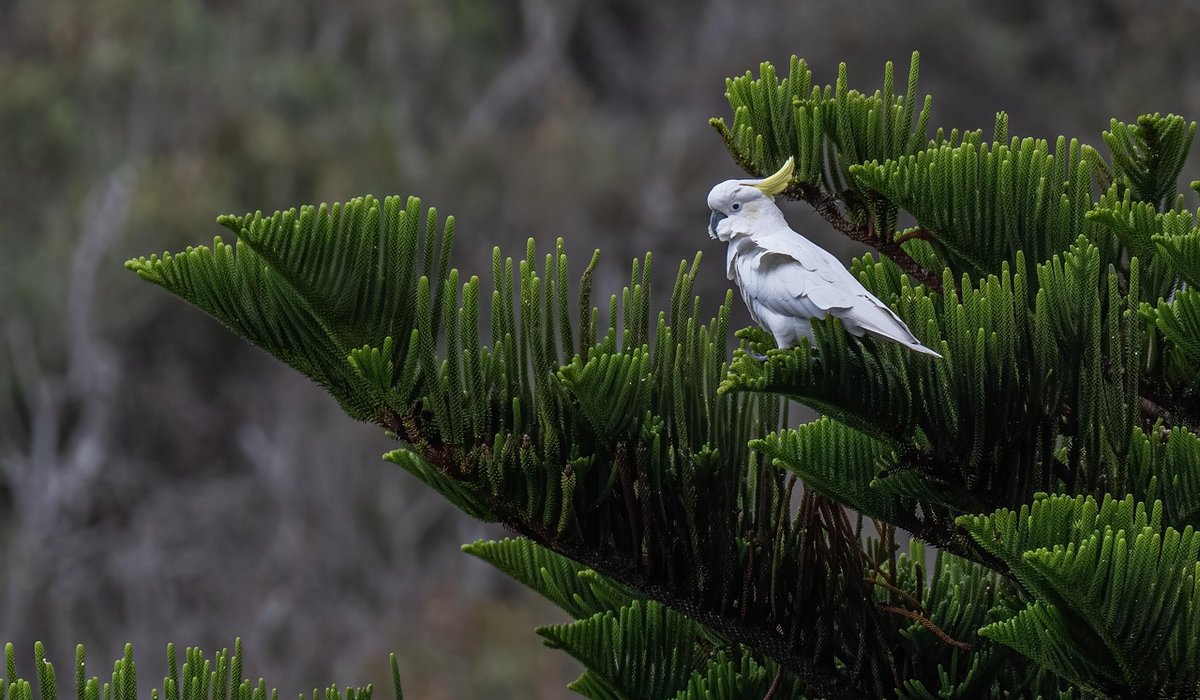
Feeding your parrot with the British seasons in mind is one of the simplest ways to add variety to their diet without overcomplicating mealtimes. Our climate gives us a rolling calendar of fresh produce, from the first spring greens in April to the swede and parsnips that see us through January, and pairing your bird's bowl with what is currently in season has real advantages.
Produce in season is usually fresher, cheaper and more flavourful, which matters because parrots are surprisingly discerning eaters. A limp, out-of-season strawberry is far less likely to tempt a suspicious African grey than a ripe one picked locally in June. Seasonal feeding also nudges you away from the rut of the same three vegetables every week, and dietary variety is one of the best defences against nutritional gaps.
For most companion parrots, fresh foods should make up roughly 20 to 30 per cent of the diet, with a quality formulated pellet or seed mix forming the core. Treat the seasonal list below as a flexible guide rather than a strict rule — your bird's species, size and individual preferences all matter.
Spring is the season parrots were made for. Leafy greens are at their tenderest, and this is the ideal time to build a habit of daily greenery.
Wash everything under running water, and remember that a bird who has never seen a kale leaf may need several introductions before deciding it is edible.
British berry season is short and glorious, and parrots take to soft fruit with almost universal enthusiasm. Berries are low in fat, high in antioxidants and easy to serve in small portions, which suits smaller species such as budgerigars, lovebirds and conures as well as the larger parrots.
Remove uneaten soft fruit after a few hours, particularly in warm weather, as it spoils quickly and attracts flies.
Autumn is the harvest season, and the arrival of pumpkins and squashes in the shops gives you a versatile, long-lasting staple. Cooked and cooled squash can be mashed into a warm chop mix, cubed and served raw for larger birds, or frozen in portions for the winter months ahead.
Watch portion sizes with nuts; they are rich in fat and should be a treat rather than a dietary mainstay.
When fresh British fruit is scarce, root vegetables and brassicas come into their own. They are inexpensive, keep well and offer a satisfying crunch that parrots seem to find deeply rewarding on a cold morning.
Never rely on tinned fruit in syrup or salted vegetable mixes. Plain, frozen and thawed is far better than anything preserved with additives.
Whatever the season, a few ground rules keep feeding safe and stress-free.
Rejection is normal. Parrots are neophobic by nature, so offer a new vegetable in different forms — grated, skewered, chopped, woven through a favourite mix — and keep presenting it. Many birds accept a food on the eighth or tenth attempt that they refused outright the first time. With a little patience and the British seasons on your side, mealtimes become one of the most rewarding parts of keeping a companion parrot.

Madparrots We spend our time finding what works so you don't have to, and sharing exactly what made the difference.

Madparrots Simple, genuine and looked after with care — the kind of place worth returning to.

Natural branches of varying thickness exercise feet and prevent sores. Avoid treated timber, sharp edges and perches placed above food bowls.

Comments
ALina Kelian
19th May 2018 ReplyMadparrots We spend our time finding what works so you don't have to, and sharing exactly what made the difference. ullamco laboris nisi ut aliquip ex ea commodo consequat.
Rlex Kelian
19th May 2018 ReplyMadparrots Written for people who value the details, and want honest guidance they can trust. ullamco laboris nisi ut aliquip commodo.
Roboto Alex
21th May 2018 ReplyMadparrots We spend our time finding what works so you don't have to, and sharing exactly what made the difference. ullamco laboris nisi ut aliquip ex ea commodo consequat.